

Cloud Native Software Development

All-In-House
Team
Team

Business
Analysts
Analysts

Rapid MVP Development

Enterprise Level Technology Stack
Turn Disconnected Systems Into Connected Operations
with Azure Integration Services
Disconnected applications, legacy systems and manual data transfers can make it difficult to keep business information consistent and processes running efficiently. At Microknot, our Azure Integration Services help to connect your applications, APIs and data sources through a secure, scalable integration architecture, automating data exchange, simplifying workflows and enabling reliable communication across cloud and on-premises environments.
Our Clients
We work with a variety of businesses from all different industries, fostering
long term relationships and instilling trust and reliability.










Our Azure Integration Services
1. Azure Integration Consulting
We analyse your integration requirements, current Azure environment and connected systems to determine the right integration method. We provide guidance on Azure services, architecture, integration patterns, security and implementation priorities based on your business needs.
2. Azure API Management
Control APIs using a centralised gateway that provides authentication, access controls, rate limiting, versioning, and monitoring. We secure internal and external APIs in the application ecosystem with consistent governance.
3. Azure Logic Apps Integration
Utilise pre-built connectors and triggers to automate workflows between applications, databases, SaaS platforms and business systems. We create workflows that transfer data and coordinate business processes and minimise manual work without requiring extensive custom integration.
4. Azure Service Bus Integration
Connect distributed applications using reliable queues and messaging. We implement asynchronous communication to decouple systems, manage message processing and improve resilience when applications operate at different speeds or experience temporary availability issues.
5. Azure Event Grid Integration
Build event-driven integrations that allow applications and services to respond automatically when something changes. We use Event Grid to route events between systems and trigger workflows without requiring applications to continuously poll for updates.
6. Azure Functions Integration
Extend Azure integrations with custom serverless code when standard connectors and workflows are not enough. We use Functions for data transformation, validation, event processing and specialised integration logic while scaling execution according to workload.
7. Azure Data Integration
Move and transform data between databases, applications and cloud services through managed data pipelines. We help build automated data integration processes for scenarios such as data migration, synchronisation, consolidation and analytics preparation.
8. Monitoring & Performance Optimisation
We monitor APIs, workflows, messages and integration processes to detect failures, latency and processing bottlenecks. Analyse performance data and fine-tune configuration, workflow and integration components for better reliability, response times and operational efficiency.
20+
Years Industry
Experience
40+
In House Experts
5.0
Star Rating
100%
Australian Owned and
Operated

Case Studies
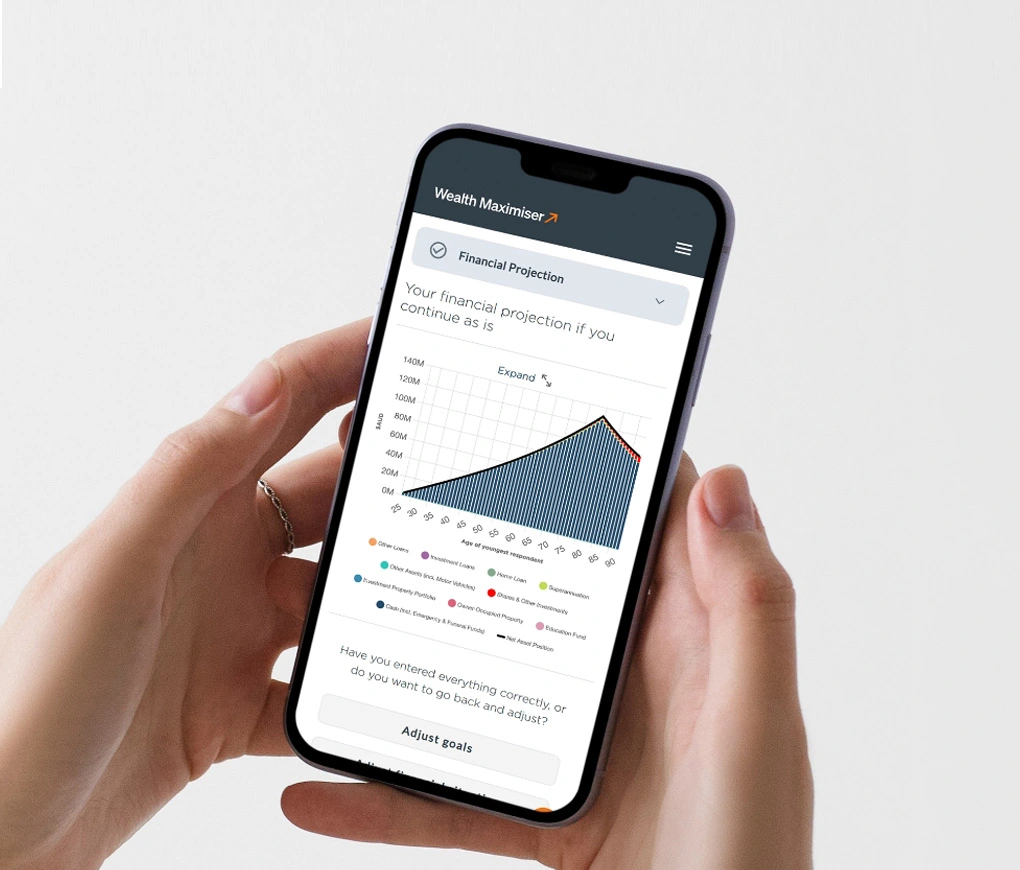
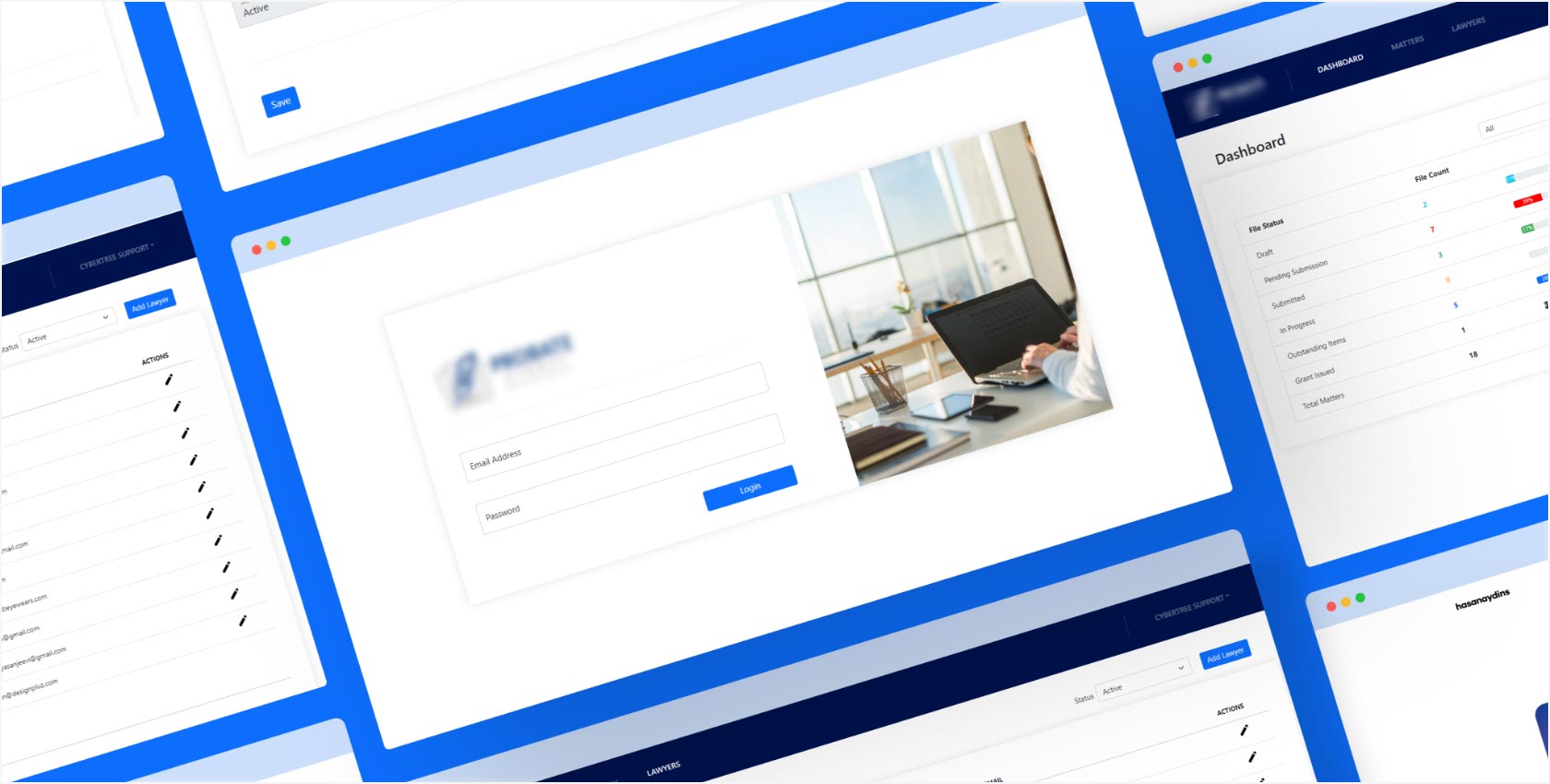
We love showcasing the work we’ve done for businesses that trust and rely on us. Check out our case studies below.




Why Choose Microknot for
Azure Integration?
1. Experience With Complex System Environments
With experience in Azure integration, we work with integration environments involving multiple applications, databases, APIs and legacy systems. Our Azure experts help design reliable connections across complex technology landscapes without disrupting critical business operations.
2. End-to-End Integration Capability
Our Azure integration services help you to manage the entire integration cycle, we evaluate current solutions, design integration architecture, and develop, test, deploy and monitor Azure integrations. This gives a standardisation from initial requirements to continual optimisation.
3. Cloud & Hybrid Integration Knowledge
We integrate cloud applications with on-premises infrastructure, legacy and third-party platforms. Our hybrid integration solutions enable businesses to seamlessly share data while effectively moving away from legacy environments and transitioning to the latest cloud-based architectures.
4. Security-Focused Integration Architecture
Security is integrated into the design of integration architecture from the outset, including API authentication, access control, data protection, secrets management and secure communication. This will secure data as it moves between apps, services or external systems.
Our Azure Integration Approach

Assess Your Systems
We map your applications, APIs, databases, data sources and existing integrations to understand how information currently moves between systems and identify connectivity gaps, dependencies, legacy constraints and potential integration risks.
Define Integration Requirements
We determine which systems should communicate, what data should be exchanged between and how often it should be moved. Then, we define the requirements for real-time, event-driven or scheduled integration with respect to business processes.


Design the Integration Architecture
We design the integration architecture around your systems and requirements, selecting suitable Azure services, integration patterns, and data flows. We also define authentication, security, error handling and scalability requirements.
Develop & Configure Integrations
We create and set up the necessary APIs, workflows, messages, event-driven processes and custom integration logic. Every integration is built to be robust to data transformation, authentication and failures and to communicate with connected systems reliably.


Test & Validate
We validate integrations across functional and technical scenarios, including data accuracy, API communication, authentication, error handling, performance and failure recovery. This helps ensure connected systems exchange information consistently before production deployment.
Monitor & Optimise
We have monitoring, logging, and alerting in place to detect failed workflows, API problems and processing delays. We review and continually improve integration performance, reliability, scalability and operational efficiency.

What Our Customers Say
Shashi Singh
I wish I could give you more than 5 Star for the work you have delivered for me Microknot Team. Your work is fantastic and the professionalism is top notch.
I was so amazed how, after just one workshop, Priya, Jag, Shaun and Rocco converted my layman idea in to a nice piece of work in developing a wonderful platform for me. Microknot has definitely delivered work as promised without any Compromise to the creativity and beautiful page designs. All thanks to their team’s creative abilities under Priya’s guidance. I am looking to a long term association to keep getting my work done!!

Steven Jenke
I have been working with Microknot for the past year, and found the team to provide fantastic support in leading various projects from idealisation, scoping, design implementation to review.
The team pride themselves on providing an agile work method resulting in cost effective solutions first time!
If you are looking for a development agency that will work with your requirements every step of the way, I highly recommend Jag and the team

Dave Philips
We have enjoyed working with Jag, Shaun, and several of Microknot’s developers over the past 18 months.
The Microknot team has allowed us to accelerate the time to market for our platform, translating to money in the bank and added scale to our internal development team without the risks, time delays, and costs associated with hiring new staff. Microknot’s professionalism in managing our project has also lifted the game for our internal team. Not only have they delivered a great product outcome, but we’ve also learned a lot about different technologies and effective s/ware PM methodology in the process.
The Microknot team have been responsive, easy to work with, delivered every sprint on time, and significantly contributed to guiding our application in the right direction.

Our Team
The right team brings together the expertise needed to turn ideas into successful software. Our team combines technical knowledge and creative thinking, backed by 20+ years of industry experience. This combination helps us deliver practical, high-quality solutions and makes us a technical partner you can trust.

Jag
Kandasamy
Director of Software & Data

Priya
Songappan
Founder / Creative Director

Subanki
Chandrasekaran
Technical Business Analyst

Shaun
Cooper
Technical Project Manager
Common Integration
Challenges We Solve

Disconnected Business Systems
Connect CRM, ERP, SaaS, custom and legacy applications that operate independently. We establish reliable data flows between systems so information can move automatically without requiring users to duplicate or manually transfer data.

Legacy Application Constraints
Extend the value of existing legacy systems by connecting them with modern cloud applications. We design integration layers that allow older systems to exchange data with newer platforms without requiring immediate replacement.

Manual Data Transfer
Replace repetitive data entry and file-based transfers with automated integration workflows. We connect your systems to synchronise required information automatically, reducing duplicate records, processing time and the risk of human error.

Unreliable API Communication
Address API failures, inconsistent responses and connectivity issues with structured integration and API management. We implement authentication, monitoring, throttling, error handling and retry mechanisms to make communication between systems more reliable.

Real-Time Data Requirements
Enable systems to exchange information as business events occur rather than waiting for scheduled transfers. We use event-driven integration patterns to trigger workflows, update connected applications and make time-sensitive information available faster.

Growing Integration Complexity
Prevent integrations from becoming difficult to manage as your application ecosystem expands. We design a structured integration architecture that centralises connectivity, applies consistent integration patterns and makes it easier to add new systems and APIs.
Our Technologies
We use enterprise grade technology to bring our projects into functional reality, staying
at the forefront of modern software development through innovation and understanding.

HTML

Javascript

Microsoft .Net
Csharp

CSS

Angular

Docker

Android

IOS

Azure

Power BI

Azure Data Lake
SQL Server

Figma
Not sure where to start? Fill out the form below and let’s build something amazing together.

Questions? We’re Here To Help
Want to learn more about how we work and how we’ll achieve your business objectives?
Which Azure services are used for application integration?
Azure offers various services that can be used for different integration needs. Azure API Management provides secure APIs, and Logic Apps links applications together and automates workflows. Azure Service Bus can be used to send and receive reliable messages. Azure Event Grid enables event-driven integration, and Azure Functions handles custom integration logic and event processing.
What is the difference between Logic Apps and Azure Functions?
Logic Apps are primarily designed for workflow orchestration and connecting applications using pre-built connectors and triggers. Azure Functions are better suited for custom code, data processing and specialised integration logic. They can also be combined when a workflow requires both orchestration and custom processing.
Can Azure Integration Services connect on-premises and cloud systems?
Yes. Azure Integration Services can help to integrate on-premises applications and infrastructure with cloud-based applications. Depending on the integration requirements, we can exchange data securely across different environments via such services as Logic Apps, API Management, Service Bus and hybrid connectivity options.
How does Azure API Management work?
Azure API Management serves as a managed gateway between your applications, APIs and consumers. It helps organisations publish, secure, authenticate, monitor and govern APIs and enables policies, including rate limiting, access control, request transformation and version management of APIs.